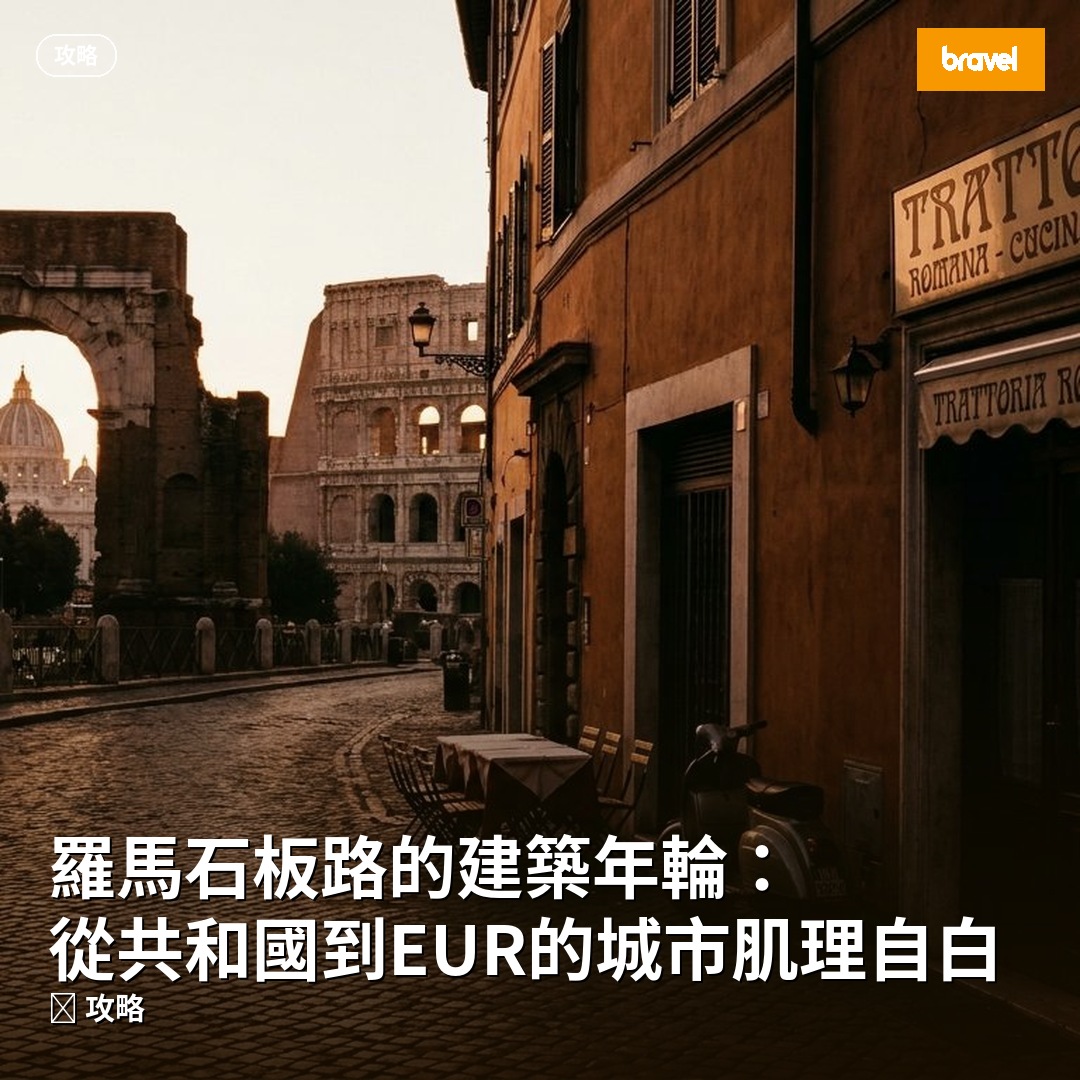
羅馬是一座以時間為建材的城市。要回答「羅馬值得去嗎」這個問題,答案是:羅馬根本不是一個可以被「值唔值」衡量的地方——它是西方建築史的原點,是你在任何其他城市都讀不完的一本教科書,以實體石灰石、火山凝灰岩與大理石寫就。每年約有一千四百萬名遊客湧入這座城市,九月至十一月初是氣溫與人潮最平衡的視窗:日間攝氏二十二至二十六度,夏季蒸騰的暑氣已退,秋光把Travertine石灰石照成熟琥珀色。每日旅行預算因人而異,但一個以步行為主、主攻建築與文化的行程,在中等餐廳用餐、住設計酒店、偶爾進博物館的前提下,約需歐元一百五十至二百五十(即港幣一千三百至二千二百)。從香港出發,經杜拜或法蘭克福轉機,飛行時間約十三至十六小時;從Leonardo da Vinci–Fiumicino Airport搭乘Leonardo Express直達Termini站,車程三十二分鐘,票價歐元十四。義大利語是官方語言,但在遊客密度極高的Historic Centre區域,英語溝通問題不大。歐元是唯一流通貨幣。
建築地質學:羅馬不是一座城,是一個剖面
Rome is a city of approximately 2,860,000 residents living inside what amounts to the world's most consequential architectural palimpsest. 要理解羅馬的城市肌理,必須先拋棄「景點打卡」的框架,改以地質學家的眼光看待這座城市:每一條街道都是一個地層剖面,共和時期的凝灰岩地基之上,疊著帝國時代的大理石飾面,再疊著中世紀的磚砌改建,文藝復興教堂的正立面又往往貼在早期基督教堂的廢墟外壁上。
這種「疊加」並非偶然的歷史殘留,而是羅馬城市規劃的結構性特質。公元六世紀東哥德戰爭(Gothic War, 535–554 AD)幾乎摧毀了羅馬的供水系統,城市人口從高峰期的逾百萬驟降至數萬,大量帝國建築淪為採石場。建築史學家Richard Krautheimer在其1980年的鉅著《Rome: Profile of a City, 312–1308》中精準地描述這個過程:「羅馬的廢墟不是廢棄物,而是活躍的建材庫存。」萬神廟(Pantheon, 建於公元118–125年,建築師歸屬至今仍有爭議,主流學界傾向認為Hadrian皇帝本人深度參與設計)得以完好保存,恰恰因為它在公元609年被教宗Boniface IV改建為基督教堂——保存的理由不是美學尊重,而是宗教功能的轉換。
散步路線的起點,我建議不要從Colosseo(鬥獸場)開始。那是觀光客的本能反應。真正能讀懂羅馬建築語法的起點,是Largo di Torre Argentina——一個半地下的共和時期神廟遺址廣場,建於公元前四世紀至公元前一世紀之間,如今四座神廟的斷柱殘基暴露在現代街道平面以下約三至四米處。站在廣場邊緣的欄杆旁俯視,你能清晰地看見羅馬城市地面在兩千年間緩緩上升的物理證據。現場免費開放(2023年起設立室內展覽區,門票歧元五),貓咪救助站至今仍在遺址內運作,這大概是這座城市最具羅馬式幽默感的共存狀態。
Largo di Torre Argentina:讀懂地層的第一課
Largo di Torre Argentina(Torre Argentina廣場,Campo de' Fiori區,公元前四世紀)是羅馬城內現存最古老的共和時期神廟群,包含四座神廟,分別以字母A至D標記,考古學界至今仍在爭議各座神廟的供奉對象。重要的歷史補充:Julius Caesar據信於公元前44年3月15日在此廣場附近的Pompey劇場被刺殺。站在這裡,腳下的歷史密度,遠超過任何一座單一的帝國紀念碑。從這裡向北步行約十分鐘,可抵達Pantheon。
Pantheon與Baroque的對話:同一條街上的一千五百年
Pantheon(萬神廟,Piazza della Rotonda, 建於公元118–125年)是人類建築史上最成功的結構實驗之一。其混凝土穹頂直徑43.3米,在1436年Florence的Santa Maria del Fiore大教堂穹頂(由Filippo Brunelleschi設計)落成之前,一直是全球最大的無支撐混凝土穹頂——整整一千三百年,無人超越。羅馬混凝土(opus caementicium)的配方因部位不同而有所調整:穹頂基部使用較重的Travertine石灰石骨料,越往頂部越輕,頂端改用浮石(pumice),這是一個在結構工程上極其精密的梯度設計決策,現代材料工程師至今仍為之折服。
從Pantheon廣場(Piazza della Rotonda)向東南方步行三分鐘,抵達Piazza Navona。這個廣場的前身是公元86年Domitian皇帝興建的競技場(Stadio di Domiziano),橢圓形的廣場輪廓完整繼承了競技場的平面形狀——地下結構至今仍在,可從廣場北端的Via Agonale入口付費參觀(門票歐元七點五)。廣場中央Gian Lorenzo Bernini於1651年完成的Fontana dei Quattro Fiumi(四河噴泉)代表著Baroque風格的頂峰宣言:形體的流動性、戲劇性的光影對比、雕塑與建築之間邊界的刻意模糊。Bernini的對手Francesco Borromini設計的Sant'Agnese in Agone教堂(1652–1672年,同在Piazza Navona)則以更為緊張的凹曲正立面作出回應——兩人的建築對話,在同一個廣場上演了幾個世紀,建築史學家Anthony Blunt在1979年的《Borromini》中將這種張力描述為「一場永不落幕的論辯」。
Borromini的幾何學:Sant'Ivo alla Sapienza的螺旋密碼
在Piazza Navona以東步行約五分鐘,有一座絕大多數遊客不會主動造訪的建築:Sant'Ivo alla Sapienza(Corso del Rinascimento 40,Francesco Borromini設計,1642–1660年)。這座教堂藏在原羅馬大學(La Sapienza)的院落深處,庭院入口平日(非彌撒時間)對外開放。Borromini以星形六角平面為基礎,衍生出一套近乎數學符號的空間序列:凸弧與凹弧交替出現,穹頂燈籠塔的螺旋收尾——那個螺旋線條,部分建築史學家認為是對Trajan's Column(圖拉真柱)螺旋浮雕的抽象致敬——在羅馬的屋頂天際線中是一個完全孤立的異形存在。如果說Bernini代表的是Baroque的魅力政治,Borromini代表的則是Baroque的幾何焦慮。免費進入庭院;彌撒時段(週日上午)可入內參觀教堂內部。
帝國廢墟的現代重新詮釋:Fori Imperiali走廊的兩個敘事
Via dei Fori Imperiali是Benito Mussolini於1932年強行開鑿的一條寬闊大道,直接切過古羅馬廣場群(Fori Imperiali)的考古遺址,目的是為了在1932年創建一條適合軍事閱兵的透視軸線——將Colosseo與Piazza Venezia的Vittoriano紀念碑(建於1885–1935年,建築師Giuseppe Sacconi)連成一條視覺直線。這是一個以城市規劃手術刀實施政治美學的案例:Mussolini需要一個帝國映像,而現成的帝國廢墟恰好可以充當佈景。
問題在於,這條道路摧毀了大量尚未發掘的考古層。1980年代起,羅馬市政府開始推動局部封路與地下考古重新開放,2018年Via Sacra段落進行了重新景觀設計,由建築師Giorgio Muratore主導,以低矮植被和重新鋪設的傳統San Pietrino小方石(basalt sett)重建步行尺度。這個干預本身也引發了建築評論界的討論:當Mussolini的道路已成歷史,對它的改造算是一次清算,還是另一層覆蓋?建築評論家Fulvio Irace在《Domus》雜誌2019年的一篇評論中用了「疊加的疊加」這個詞,我認為是迄今最準確的描述。
Fori Romani(古羅馬廣場)與Colosseo現由同一張票券涵蓋(歐元十八,有效期兩日,建議提前在CoopCulture官網購買以避免現場排隊,旺季排隊時間可長達兩小時)。建議選擇開館後三十分鐘(早上九時)或閉館前一小時(下午四時三十分)入場,光線與人流均較理想。A typical budget for a full day in this archaeological zone, including entrance fees, lunch nearby, and an afternoon gelato, is approximately €40–60 per person(約港幣三百五十至五百三十)。
EUR區:Fascist Modernism的不舒適遺產
若要理解二十世紀羅馬城市建築的政治維度,必須搭乘地鐵B線南下約二十五分鐘,前往EUR(Esposizione Universale Roma)區。這個區域原為Mussolini計劃於1942年舉辦世界博覽會而開發,二戰爆發後博覽會取消,建設在戰後繼續推進,形成一個完整保存的Rationalist(理性主義)與Neoclassical Fascist風格建築群落。
核心地標是Palazzo della Civiltà Italiana(1938–1943年,建築師Giovanni Guerrini、Ernesto Bruno La Padula、Mario Romano),俗稱「方形鬥獸場」(Colosseo Quadrato)。這座以Travertine石灰石貼面的六層正方形建築,每面設有九乘六共五十四個拱廊開口,幾何重複的嚴整性在視覺上同時令人著迷與不安。建築史學家Diane Ghirardo在《Architecture and Fascism》(1991)中指出,這種純粹性本身就是一種意識形態宣示:通過排除任何歷史折衷主義,宣稱Fascism是一個全新的文明秩序。該建築目前為Fendi集團總部(2015年起),內部不對外開放,但外立面可自由拍攝,建議黃昏時分前往,低角度斜光將拱廊陰影拉成最戲劇性的比例。最近的地鐵站:EUR Palasport(B線),步行約八分鐘。
用餐:在石灰石與燉牛尾之間找到坐標
建築散步消耗體力,羅馬的餐飲文化同樣需要以嚴肅的態度對待。The best time to visit Rome for dining is lunchtime on weekdays, when many trattorias still offer a fixed-price menu(menù del giorno)at a fraction of evening prices. 以下幾個地點值得記錄:
Trattoria da Enzo al 29(Via dei Vascellari 29, Trastevere,1960年代創立)是羅馬傳統廚藝的基準線:cacio e pepe的質地(帕瑪森與pecorino的比例是廚房祕密)、coda alla vaccinara(燉牛尾,以番茄、芹菜、可可粉、松子的複雜甜酸醬汁長時間燉製)穩定水準極高。午餐人均歐元二十至三十(港幣一百七十五至二百六十五),需電話或網上預約,現場等位幾乎必然。
Roscioli(Via dei Giubbonari 21–22, Campo de' Fiori區,1972年創立)是一間以葡萄酒窖為核心的delicatessen兼餐廳,提供極高水準的charcuterie、奶酪與義大利麵。其burrata配焦糖洋蔥與羅馬薄餅的組合是我近年在義大利半島吃過最具結構意識的前菜之一——這當然是一個財務分析師在度假時不應該說的話,但我還是說了。人均歐元四十至六十(港幣三百五十至五百三十)。
咖啡問題不可忽視:在羅馬站立飲用espresso的吧台文化有其建築邏輯——城市的步行密度高,咖啡館是城市的血氧補給站,不是社交目的地。Sant'Eustachio il Caffè(Piazza di Sant'Eustachio 82,1938年創立)的gran caffè以預先加糖的espresso奶泡著稱,宗教性地每杯歐元一點五(港幣十三),站立飲用。
住宿:選擇本身就是建築立場
Rome is served by a wide range of design hotels that are themselves architecturally significant. 我的立場一貫:住宿地點應該與散步路線在地理上形成對話,而非孤立在郊區的度假村泡泡裡。
J.K. Place Roma(Via di Monte d'Oro 30, Historic Centre,2014年開業)由Michele Bönan設計,以十九世紀羅馬貴族宅邸為靈感,三十間客房的規模保持了精品酒店應有的人性尺度。位置在Pantheon與Piazza di Spagna之間,步行可達本文所有建築地標。每晚歐元四百五十至七百(港幣三千九百至六千一百),視季節浮動。
若預算有限,Residenza Paolo VI(Via Paolo VI 29,毗鄰梵蒂岡)是一間由前教廷修道院改建的精品旅館,部分客房可俯瞰St. Peter's Square。每晚歐元一百八十至二百八十(港幣一千五百八十至二千四百六十)。建築本身是十七世紀建築,空間感遠超同價位的現代酒店。
欲深入了解歐洲其他建築城市,可參考Bravel Smart的相關報道:佛羅倫斯文藝復興建築指南、威尼斯水城空間政治學、雅典衛城的現代困境,以及巴塞隆拿Modernisme建築路線與里斯本Azulejo立面解碼。
建築散步的後記:羅馬不需要你的驚嘆
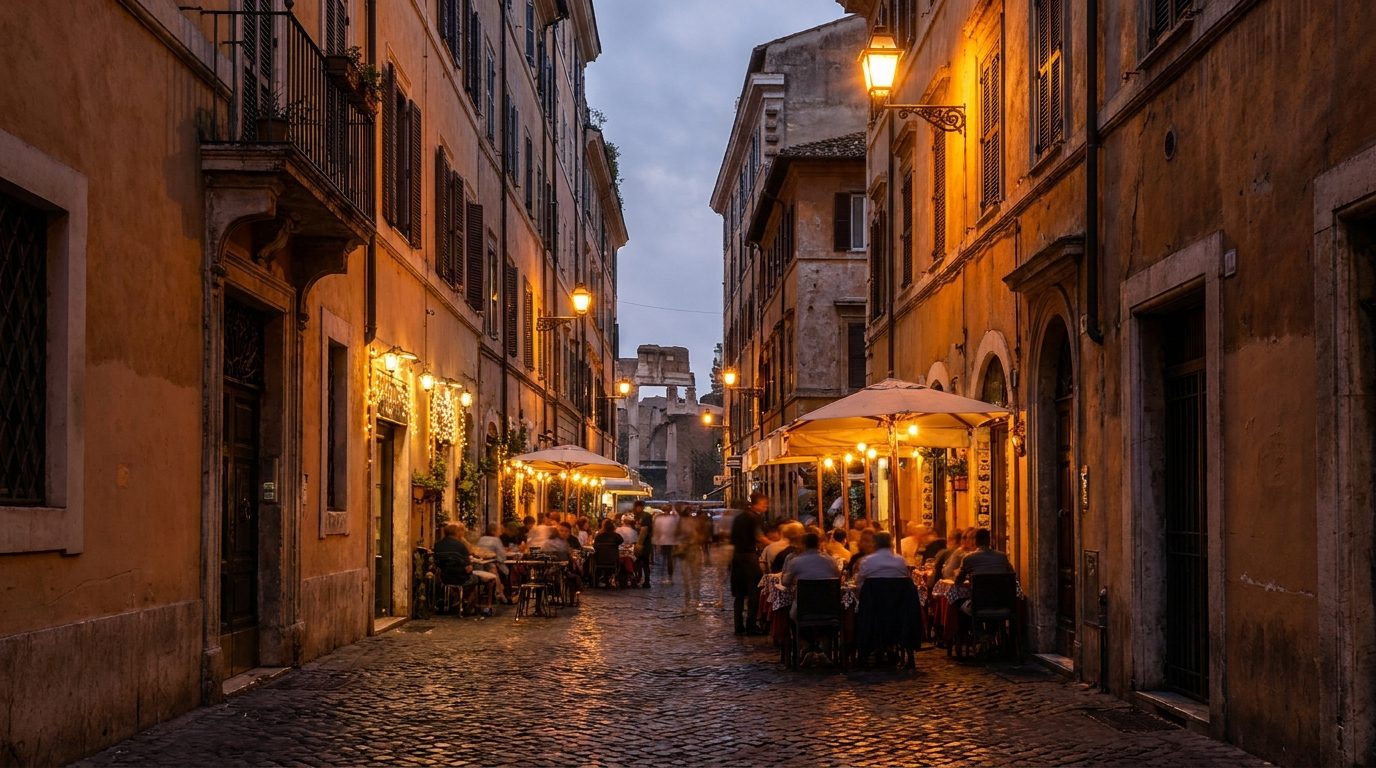
在羅馬待了足夠多天之後,你會注意到一件事:羅馬人對自己城市的建築遺產,態度是異常冷靜的。在Largo di Torre Argentina邊喝咖啡的上班族,背後就是兩千四百年前的神廟殘柱,他沒有在拍照,他只是在看手機。這不是冷漠——這是一種只有在真正活在歷史裡的城市才能培養出的從容:當廢墟是日常背景,你就不需要專程去「欣賞」它。
這對旅行者的啟示是:放慢速度。羅馬的建築肌理不是通過「打卡」可以讀懂的,它需要你在同一個廣場坐上一個小時,看光線從上午九時的白銀色慢慢轉為下午四時的琥珀色,看Travertine石灰石如何在不同光線下改變自己的表情。Bernini知道這一點,所以他的噴泉設計預設了多個最佳觀看角度,沒有一個是固定的「正面」。Borromini也知道,所以他的穹頂只有在你仰頭凝視足夠久之後,才肯慢慢交出它的幾何邏輯。
這座城市用了兩千年建構自己的論點。給它至少五天,認真聆聽。
延伸閱讀:UNESCO — Historic Centre of Rome世界遺產登錄資料|Musei Vaticani官方網站|CoopCulture — Colosseo & Fori Romani門票預購|Sovraintendenza Capitolina ai Beni Culturali(羅馬市立文化遺產局)|Michelin Guide Rome餐廳資料庫|Wikipedia — Pantheon, Rome建築資料|OpenStreetMap — Rome Historic Centre
常見問題 FAQ
How much does a day in Rome cost on average?
A typical budget for Rome is €150–250 per person per day (approximately HKD 1,300–2,200), covering a mid-range hotel share, two sit-down meals, entrance fees to key archaeological sites (Colosseo + Fori Romani ticket is €18), coffee, and local transport. The Colosseo–Fori Romani combined ticket (€18) is valid for two consecutive days. Many churches, including the Pantheon's exterior court and Sant'Ivo alla Sapienza's courtyard, are free to enter.
Best time to visit Rome for architecture and culture?
The best time to visit Rome is September through early November. Temperatures sit between 18–26°C, summer tourist peaks have subsided, and the afternoon light — particularly on Travertine limestone — takes on a warm amber quality ideal for both photography and unhurried walking. Spring (late March to May) is a close second. July and August should be approached with stamina: temperatures exceed 35°C and the major sites are at peak congestion.
Is Rome safe for solo travel?
Rome is generally safe for solo travellers. The primary concerns are pickpocketing in high-density tourist areas — Colosseo, Termini station, and crowded buses (particularly line 40 and 64 near the Vatican) — rather than violent crime. Standard urban vigilance applies: use a crossbody bag, avoid displaying expensive equipment in crowded street markets, and be aware of distraction techniques near ATMs. The Historic Centre is well-lit and has consistent foot traffic well into the evening.
How do I get from Rome's airport to the city centre?
From Leonardo da Vinci–Fiumicino Airport (FCO), the Leonardo Express train runs directly to Roma Termini station every 30 minutes, journey time 32 minutes, fare €14. A licensed taxi from FCO to the Historic Centre is a fixed rate of €50 (confirm before boarding). Ciampino Airport (CIA) is served by Terravision and SIT bus coaches to Termini, fare approximately €6, journey 40 minutes depending on traffic. Do not use unmarked taxi services — only white licensed cabs or prebooked apps (itTaxi is the legitimate local ride-hailing platform).
Why is the Pantheon architecturally significant compared to other Roman buildings?
The Pantheon (built 118–125 AD under Emperor Hadrian) is architecturally significant for two primary reasons: its unreinforced concrete dome of 43.3 metres diameter remained the world's largest for over 1,300 years until Brunelleschi completed Florence's Santa Maria del Fiore in 1436; and its sophisticated use of graduated aggregate density — heavier Travertine at the dome's base, progressively lighter pumice at the oculus — represents an engineering precision not fully understood until modern materials science. Its survival intact (while most comparable Roman structures were quarried for building materials) is attributable to its conversion into a Christian church in 609 AD by Pope Boniface IV.
What is the EUR district in Rome and is it worth visiting?
EUR (Esposizione Universale Roma) is a planned district approximately 25 minutes south of the Historic Centre by Metro B, originally developed for a 1942 World's Fair that never occurred due to World War II. It contains the most intact concentration of Fascist Rationalist and Neoclassical architecture in Italy, anchored by the Palazzo della Civiltà Italiana (1938–1943, now Fendi's headquarters). For anyone interested in twentieth-century political architecture, urban planning as ideology, or the aesthetics of authoritarian modernism, EUR is an essential half-day excursion. Entry to the district is free; the Palazzo della Civiltà Italiana exterior is freely accessible.