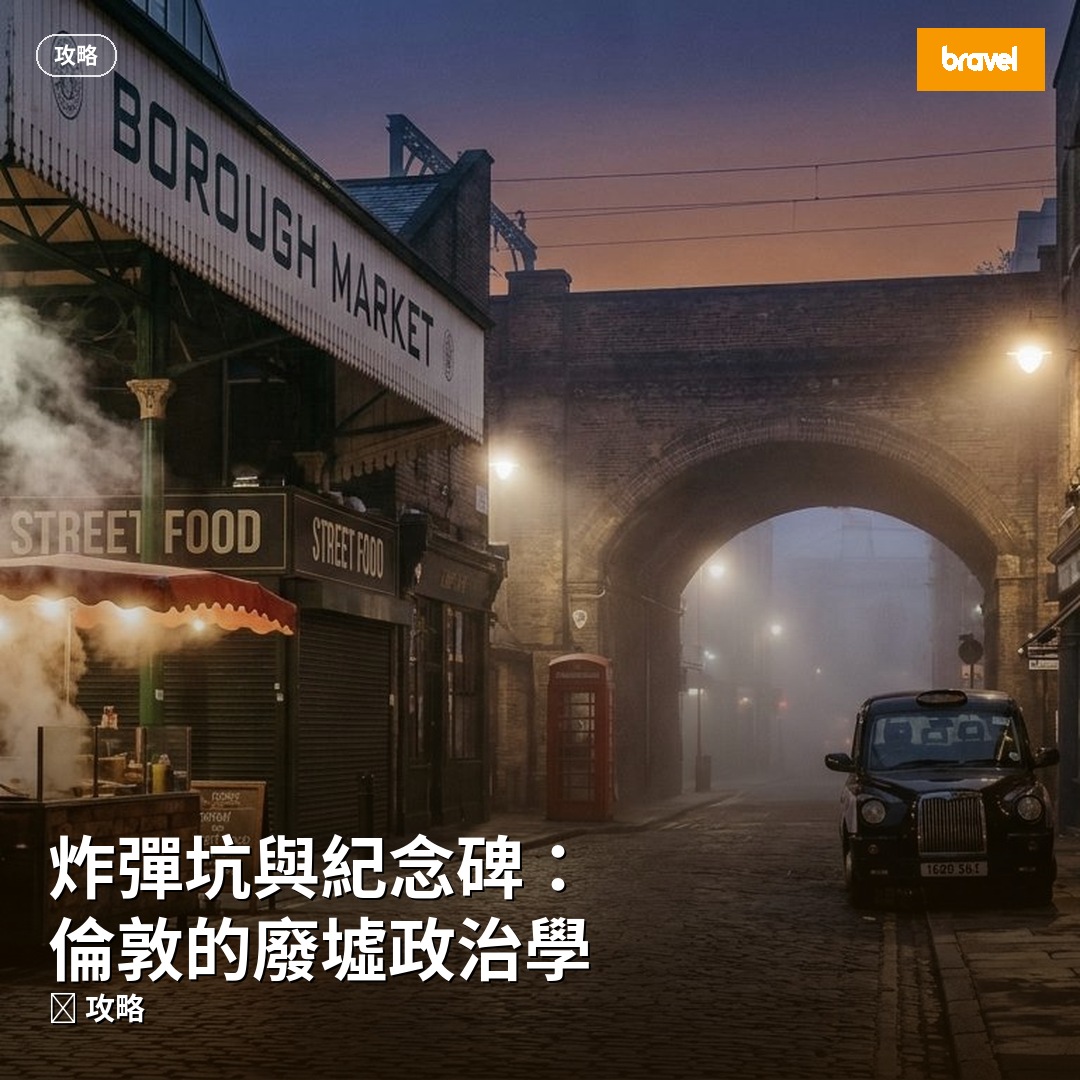

倫敦是一座以遺忘換取前進的城市,但遺忘得並不徹底。London is a city whose very street plan encodes eight decades of military trauma, post-war austerity, and the contested aesthetics of reconstruction — a place where a Georgian terrace can stand directly beside a 1960s Brutalist housing block not by accident, but because the Luftwaffe settled the planning dispute in 1940. The best time to visit London is between late September and early November, when the summer tourist crush has ebbed, the light turns amber over the Thames, and the city's architecture reads most legibly against grey skies that feel, frankly, historically appropriate. A typical budget for London runs to £150–250 per day (approximately HKD 1,500–2,500) if you balance free museum entry — and the major collections are all free — against the city's cheerfully punishing restaurant prices. You arrive at Heathrow via the Piccadilly line in 50 minutes for £6.70 (HKD 67), or at St Pancras International by Eurostar if you're coming from Paris or Brussels, which is a more dignified entrance and I'd recommend it on purely theatrical grounds: the station's 1868 Gothic Revival facade by George Gilbert Scott was very nearly demolished in the 1960s before a coalition led by John Betjeman saved it, which is itself a story about how London decides what to remember.

1940年的城市地圖:Blitz如何重寫倫敦的街道邏輯
要理解現代倫敦的都市肌理,必須先理解那八個月。從1940年9月7日至1941年5月11日,納粹德國對倫敦實施了持續性的空中轟炸,史稱 The Blitz。根據 Imperial War Museum 的館藏資料,這場轟炸共摧毀或嚴重損毀倫敦逾43,000棟建築物,殺死超過30,000名平民,並將整個 City of London 的中世紀街道網絡化為廢墟。Christopher Wren 在1666年大火後重建的51座教堂,再度有19座受到嚴重破壞。但Blitz留下的,不只是廢墟,而是一份城市重組的政治授權書。
戰後的規劃師們面對著一個罕見的空白畫布,但他們並非在真空中工作。1943年,Patrick Abercrombie 與倫敦郡議會建築師 J.H. Forshaw 合作發表了《County of London Plan》,1944年再發表範圍更廣的《Greater London Plan》,提出以衛星城市疏散人口、以綠帶(Green Belt)圍束城市擴張的願景。這些文件奠定了戰後倫敦的空間邏輯,其影響延續至今:你今日從 Heathrow 驅車進城時所見的那道綠色邊界,源頭便在此處。然而計劃從未完整實現,原因一如既往:政治意志、資金限制、以及倫敦人對自己社區的固執情感,三者交纏,生產出你今日所見的這座城市——既非理性主義烏托邦,亦非純粹的歷史保存,而是一種充滿妥協痕跡的混種地景。
Barbican:廢墟上的理想主義實驗
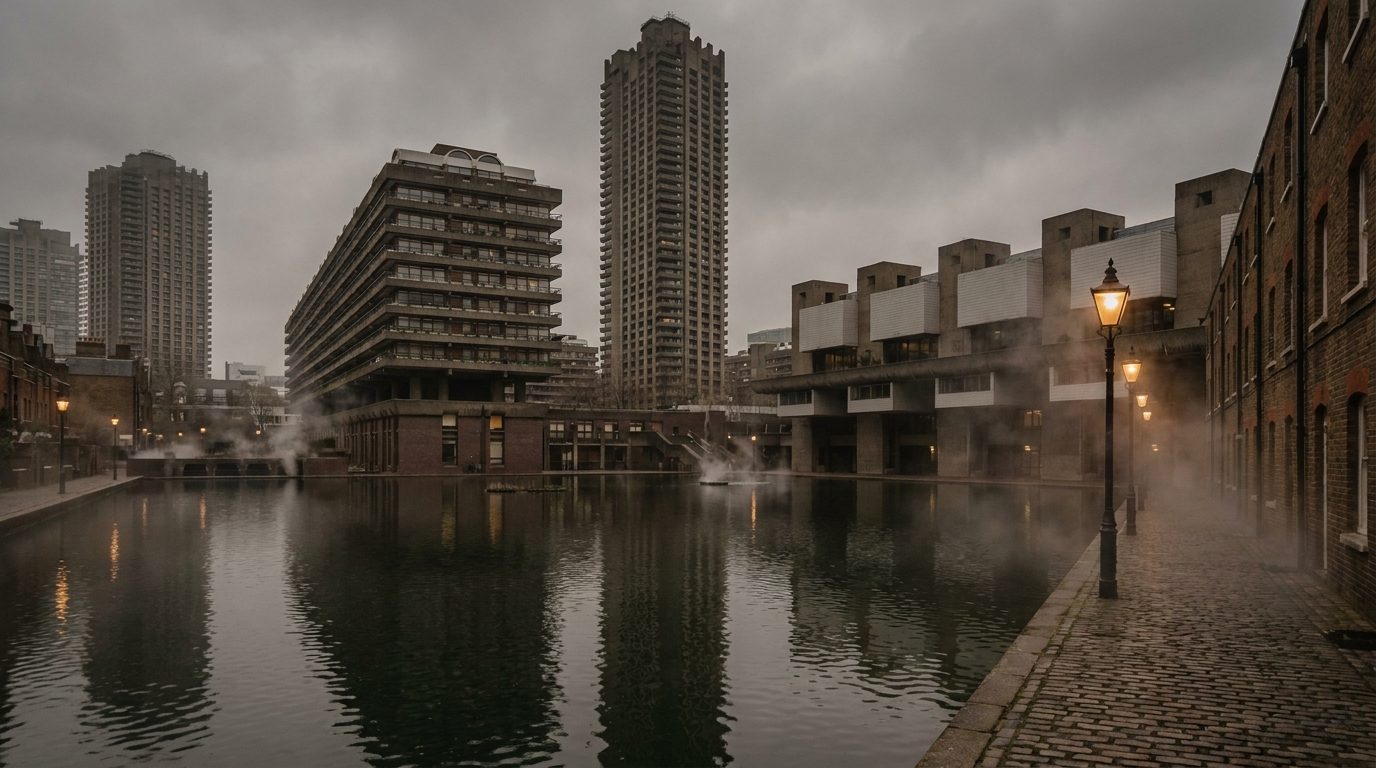
若要選一個地點說明戰後重建的矛盾性,Barbican Centre(EC2Y 8DS,近 Barbican 站)是最誠實的答案。這片佔地35英畝的 Brutalist 住宅綜合體,由建築師事務所 Chamberlin, Powell and Bon 設計,構思始於1955年,第一期住宅於1969年落成,全個 Estate 直至1976年方才竣工。它建於 City of London 戰時受創最深的地區之一,地基之下仍有中世紀城牆的遺址。Barbican 的設計哲學來自 Le Corbusier 的 Unité d'Habitation 概念:讓中產階級回居市中心,以立體化的步行平台(podium level walkways)將人車分隔,在城市核心製造一個自足的社區烏托邦。
它當然沒有完全成功。那些步行平台至今仍令初訪者迷路(官方地圖標示系統在2014年才獲得改善,此前基本上靠黃色地面指示),但 Barbican 如今是倫敦最受歡迎的居住地之一,公寓售價動輒逾百萬英鎊。這種諷刺——一個為工人階級設計的社會主義願景,演變為精英聚居地——是整個英國戰後建築史的縮影。Barbican Centre 的藝術設施包括音樂廳、電影院及畫廊,門票價格視節目而異,約£15–35(HKD 150–350);建築導覽每月舉辦,費用約£20(HKD 200),值得一報。
Churchill's London:紀念碑如何製造官方記憶
戰爭記憶的政治性在倫敦的紀念碑地景中讀得最為清晰。Churchill War Rooms(King Charles Street, SW1A 2AQ)是倫敦最被低估的歷史空間之一,每日開放09:30–18:00,門票£28(HKD 280);以其密度而言,我認為這是倫敦性價比最高的付費景點。這批建於1938年的地下混凝土掩體,在戰爭期間作為英國戰時內閣的指揮中心,直至1945年8月方才停用。此後數十年間,掩體幾乎原封不動地被封存,部分房間的日曆依然停在1945年,地圖依然釘在牆上,如同一個被有意製造的凝固時間點。
然而,「原封不動」從來都是一種詮釋行為。歷史學家 Raphael Samuel 在其1994年著作《Theatres of Memory》中指出,英國的遺產工業傾向於將戰時精神(Blitz spirit)商品化,將集體苦難轉化為民族自豪感的消費品。Churchill War Rooms 的展示敘事——儘管資料詳盡、設計精良——難免在此框架內操作:它呈現的是領導層的戰爭,而非平民的戰爭。要補充這個視角,你需要步行至泰晤士河南岸的 Imperial War Museum(Lambeth Road, SE1 6HZ,免費入場),其常設展「The Holocaust Galleries」(2021年全面翻新)及「Second World War Galleries」以更廣闊的社會史視角呈現倫敦平民的戰時經歷,包括東倫敦工人階級社區所受到的不成比例的傷亡。
被遺漏的紀念:East End的平民戰爭史
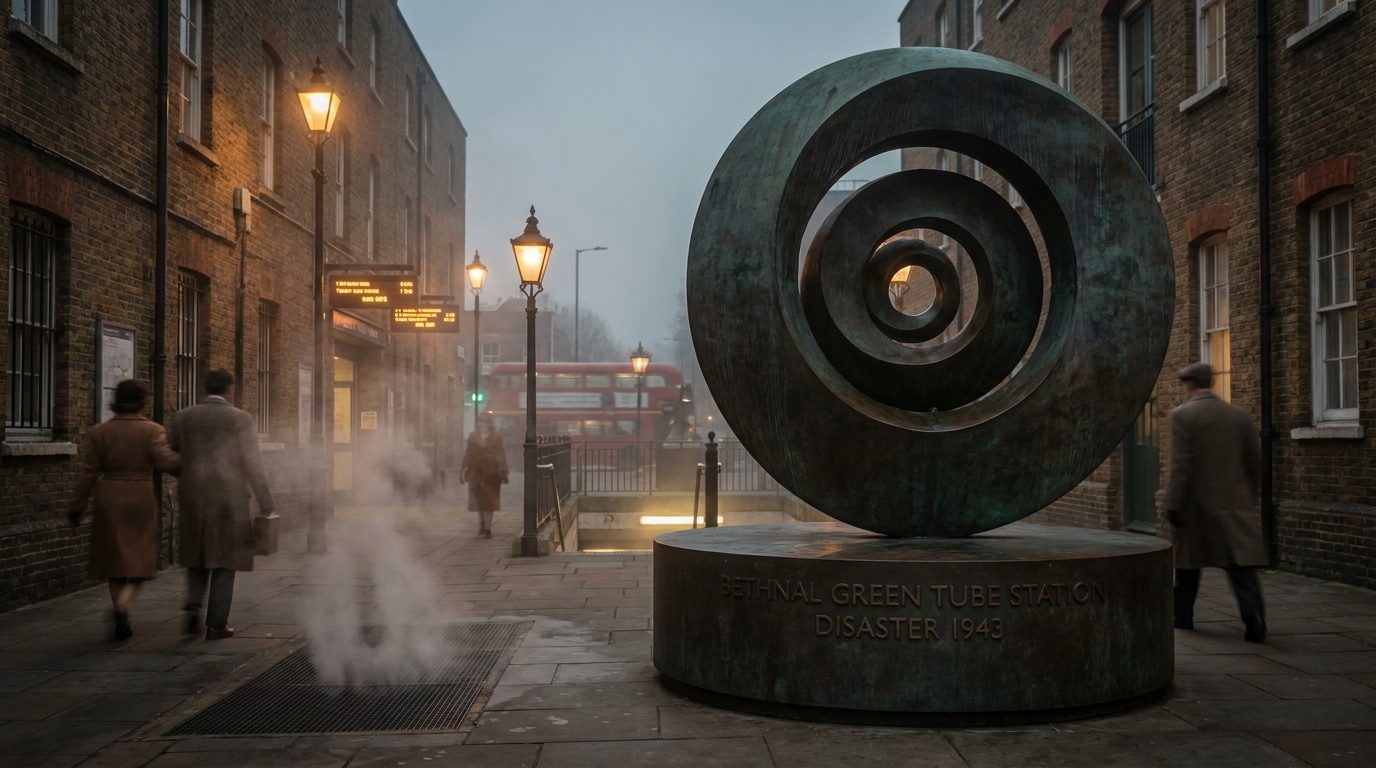
倫敦的官方戰爭記憶地圖有一個結構性的空白:East End。Bethnal Green、Stepney、Poplar 這些地區在 Blitz 中承受了最高的平民死亡率,因為它們毗鄰倫敦港口及工業設施,是德軍的優先轟炸目標。然而,這些社區在主流的戰爭紀念敘事中長期缺席。2021年正式開放的 Bethnal Green Memorial(位於 Bethnal Green 地鐵站入口旁,免費)紀念的是1943年3月3日一場鮮為人知的悲劇:173名東倫敦居民在跑進地鐵站躲避空襲時,因入口台階發生踩踏意外而罹難,這是整個二戰期間英國本土最大的單一平民傷亡事件,但被政府封鎖消息長達數十年以維持士氣。紀念碑由建築師 Harry Paticas 及 Yvette Vaughan Jones 設計,以螺旋形的青銅結構呈現,簡潔而有力,是倫敦最值得花時間靜立片刻的公共藝術之一。
重建美學的斷層線:從Austerity Modernism到後現代的城市協商
倫敦戰後建築史,本質上是一場關於「誰的品味定義了公共空間」的漫長辯論。1950年代的 Festival of Britain(1951年)是一個轉折點:這場在南岸廢墟上舉辦的全國展覽,由 Hugh Casson 主導規劃設計,刻意以輕盈、樂觀的現代主義美學對抗戰時的沉鬱。展覽場地中唯一保存至今的永久建築是 Royal Festival Hall(Southbank Centre, SE1 8XX),由 Leslie Martin 及 Peter Moro 設計,於1951年落成,現時全年免費開放公共空間,是倫敦最慷慨的公共建築之一——你可以在其中的 Skylon Bar 喝一杯 £14(HKD 140)的雞尾酒,俯瞰泰晤士河,而完全不必購買任何音樂會門票。
1960至70年代的一波 Brutalism 浪潮——Barbican、National Theatre(由 Denys Lasdun 設計,1976年落成)、Trellick Tower(由 Ernő Goldfinger 設計,1972年落成,現為 Grade II* Listed Building)——代表了規劃師試圖以現代主義意識形態強行重塑城市的頂峰,也代表了那種雄心壯志的尾聲。1984年,查爾斯王子在 RIBA 晚宴上形容 Peter Ahrends 為國家美術館擴建設計的方案為「a monstrous carbuncle on the face of a much-loved and elegant friend」,此言雖粗,卻精準捕捉到公眾對 Modernism 的疲倦。那個擴建項目最終由 Robert Venturi 以一種刻意謙遜的 Post-Modern 折衷方案完成(1991年落成),即今日的 Sainsbury Wing,其內部卻是相當精彩的畫廊空間,用以展示館藏的早期文藝復興繪畫。
在廢墟旁用餐:戰後城市中的Fine Dining地理學
若說建築是倫敦城市記憶最顯性的載體,那麼飲食地理學則是其最微妙的一層。倫敦的高端餐飲業高度集中於幾個特定地區,而這些地區的選址邏輯與戰後重建有著直接關係。Mayfair 之所以在戰後迅速恢復為倫敦的頂級餐飲重心,部分原因在於它在 Blitz 中受損相對較輕,令其維多利亞時代及愛德華時代的建築存量得以保留,提供了 fine dining 所需的高天花、寬立面物業。
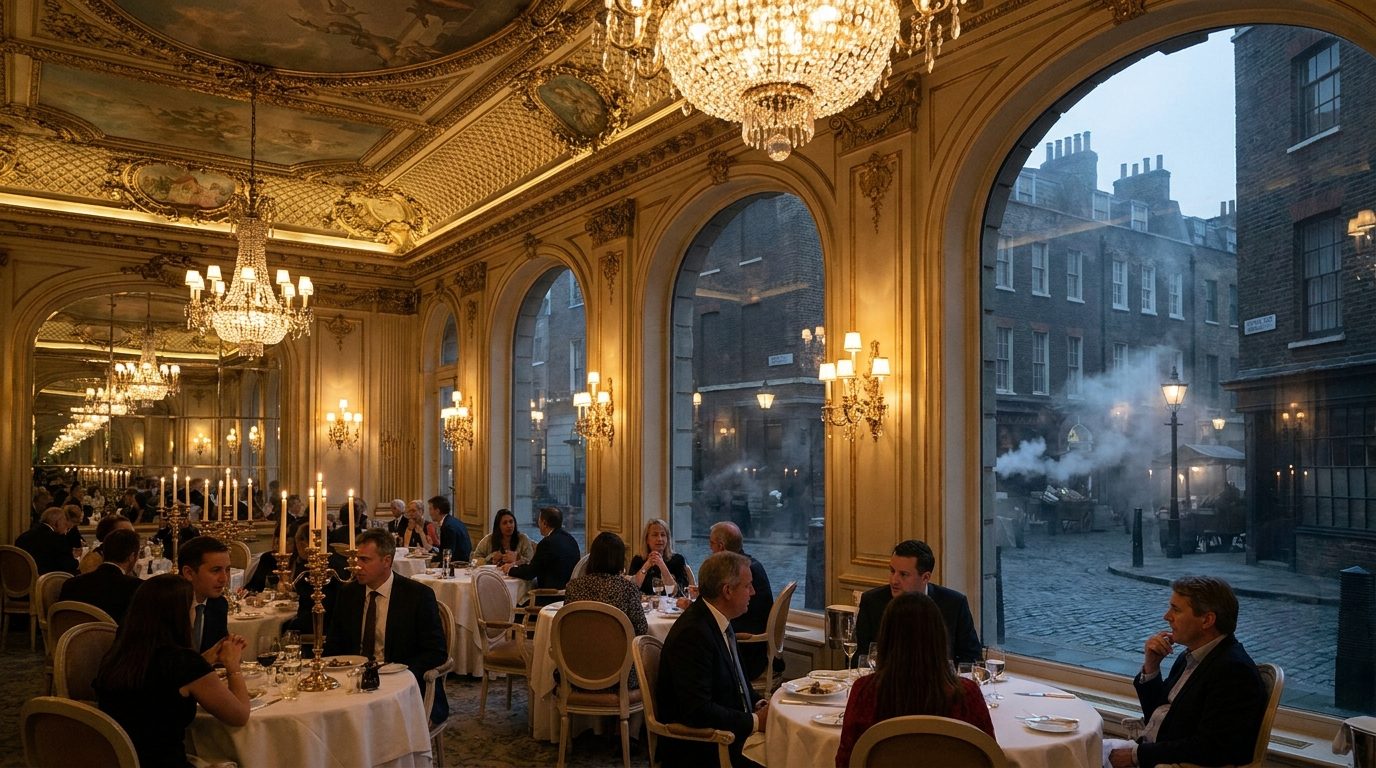
The Ritz London(150 Piccadilly, W1J 9BR)的 Restaurant 是倫敦最華麗的 Louis XVI 風格餐廳空間,建於1906年,午膳套餐約£65–85(HKD 650–850)起,晚膳約£95–130(HKD 950–1,300)。它在整個二戰期間持續營業,並曾作為外交秘密會議場所,其歷史積累賦予它一種其他地方難以複製的氛圍重量。若預算較為理性,Ikoyi(180 Strand, WC2R 1EA,由主廚 Jeremy Chan 主理)提供將西非食材與現代技巧融合的 tasting menu,約£130(HKD 1,300);這家餐廳的選址——Strand 街一帶,曾是戰時嚴重受損的區域之一——在今日的重建環境中顯得格外有意思。對更日常選擇而言,Spitalfields 市場一帶(E1 6EW)的 St. JOHN Bread and Wine(94–96 Commercial Street,午餐約£35–50,HKD 350–500)以 nose-to-tail 哲學聞名,其空間前身是一棟 Victorian 煙燻屋,地理上恰好處於 East End 戰時轟炸帶的邊緣。
城市記憶的未完成式:當代倫敦如何繼續協商它的戰爭遺產
倫敦對其戰爭記憶的態度,從來都不是靜止的。近年最具意義的介入之一,是 2021 年在 Victoria Embankment Gardens 附近揭幕的 National Memorial to the Few,紀念英國空軍在1940年英倫空戰(Battle of Britain)中的犧牲,這是距離原事件逾八十年後才姍姍來遲的正式紀念。與此同時,關於在 Hyde Park 設立 a dedicated memorial to the civilian victims of the Blitz 的討論自2018年起持續進行,至今仍未有定案。這種遲延本身便是一種政治聲明:誰值得被紀念、紀念規模多大、紀念語言如何書寫,都是活生生的政治議題,而非已獲解決的歷史問題。
與此同時,City of London 的天際線在2010年代至今持續被 Rafael Moneo、Rogers Stirk Harbour + Partners、Foster + Partners 等事務所的高層玻璃幕牆建築所改造,其中不乏爭議。22 Bishopsgate(2020年落成,由 PLP Architecture 設計)在 Blitz 最為慘烈的地區之一豎立了一棟62層的辦公塔樓,其地基工程挖掘出大量中世紀文物,目前由 Museum of London Archaeology 保管。這種地層學上的疊加——Roman London、Medieval London、Blitz rubble、Post-war concrete、21st-century glass——在每一個新的建築工地都在重演。倫敦不是一座以博物館保存歷史的城市;它是一座將歷史不斷翻耕、重新播種的城市,而每一次翻耕都帶有當下的政治意志。這,才是它真正令人著迷的地方。
如果你打算以戰爭與重建為主軸遊覽倫敦,我建議的路線邏輯是由東向西:從 Bethnal Green Memorial 開始,乘 Central Line 至 St Paul's,步行穿越 Barbican Estate,再沿 Thames Path 西行至 Southbank Centre,黃昏在 Royal Festival Hall 的露台看夕陽落在對岸的 Embankment,最後乘 Jubilee Line 至 Westminster 附近的 Churchill War Rooms 作結。全程約10公里,加上各處停留,需一整天。語言方面無需擔憂——倫敦的公共標示及博物館均以英語為主,但若你有廣東話,你會在 East End 的某幾條街上頗感親切,那是另一個故事了。
常見問題 FAQ
What is the best time to visit London for its war history and architecture?
The best time to visit London is between late September and early November. The summer crowds have thinned, natural light is dramatic and low-angled (ideal for reading architectural texture on Brutalist concrete), and most museums maintain full programming into autumn. Avoid August, when school holidays inflate prices and compress access to popular sites like Churchill War Rooms, which can queue 45–60 minutes without pre-booking. Book tickets for Churchill War Rooms online in advance at £28 (approx. HKD 280) per adult.
How much does it cost per day to visit London on a mid-range budget?
A typical budget for London runs £150–250 per day (approximately HKD 1,500–2,500) for a mid-range traveller. This assumes free entry to major national museums (Imperial War Museum, National Gallery, Tate Modern — all free), one paid attraction such as Churchill War Rooms (£28 / HKD 280), transport on an Oyster card or contactless card (approx. £8–12 / HKD 80–120 per day within central zones), and a mid-range dinner of £35–55 per person (HKD 350–550) without wine. Fine dining tasting menus at restaurants like Ikoyi run £130+ (HKD 1,300+) per person before drinks.
Why is the Barbican Estate architecturally significant in the context of post-war London?
The Barbican Estate (EC2Y 8DS) is significant because it represents the most ambitious realisation of post-war Brutalist urban planning ideology in Britain, built on one of the most heavily bombed areas of the City of London. Designed by Chamberlin, Powell and Bon and completed between 1969 and 1976, it attempted to combine high-density residential living with cultural infrastructure (the Barbican Centre) in a single self-contained urban precinct. It is now a Grade II Listed structure, and its flats sell for over £1 million — a trajectory that encapsulates the contradictions of British post-war social housing philosophy.
What happened at Bethnal Green station in 1943, and where is the memorial?
On 3 March 1943, 173 civilians — mostly women, children, and elderly residents of East London — were killed in a crush at the entrance to Bethnal Green Underground station while seeking shelter from an anticipated air raid. It remains the largest single civilian disaster on British soil during the Second World War. The British government suppressed news of the event for decades to protect wartime morale. The Bethnal Green Memorial, designed by architects Harry Paticas and Yvette Vaughan Jones, was unveiled in 2021 and is located at the entrance to Bethnal Green station (Tube: Bethnal Green, Central Line). Entry is free and the memorial is accessible at all hours.
Is London safe for solo travellers, and how do I get around the war history sites efficiently?
London is broadly safe for solo travellers, including at night, in the central and inner zones where the key historical sites are located. The most efficient way to connect the major Blitz and post-war reconstruction sites is by Underground (Tube) using a contactless bank card or Oyster card — fares are automatically capped daily. A recommended one-day itinerary runs: Bethnal Green (Central Line) → St Paul's (Central Line) → Barbican (walking distance) → Southbank / Royal Festival Hall (walking via Millennium Bridge) → Churchill War Rooms (Westminster, Jubilee/District/Circle Line). Total walking distance approximately 10km; allow a full day including museum time.
What are the best free museums in London for war history and architecture?
The Imperial War Museum (Lambeth Road, SE1 6HZ) is free and contains the most comprehensive collection of Second World War civilian and military history in the UK, including the recently renovated Holocaust Galleries (2021). The Museum of London (currently relocating to West Smithfield, opening 2026) contains significant Roman and medieval London artefacts excavated from Blitz bomb sites. The Sir John Soane's Museum (13 Lincoln's Inn Fields, WC2A 3BP) is free and provides essential context on Georgian London's architectural heritage — the fabric that the Blitz partially destroyed. Royal Festival Hall (Southbank Centre, SE1 8XX) is free to enter as a public building and represents the optimistic face of 1951 Festival of Britain modernism.
延伸閱讀: