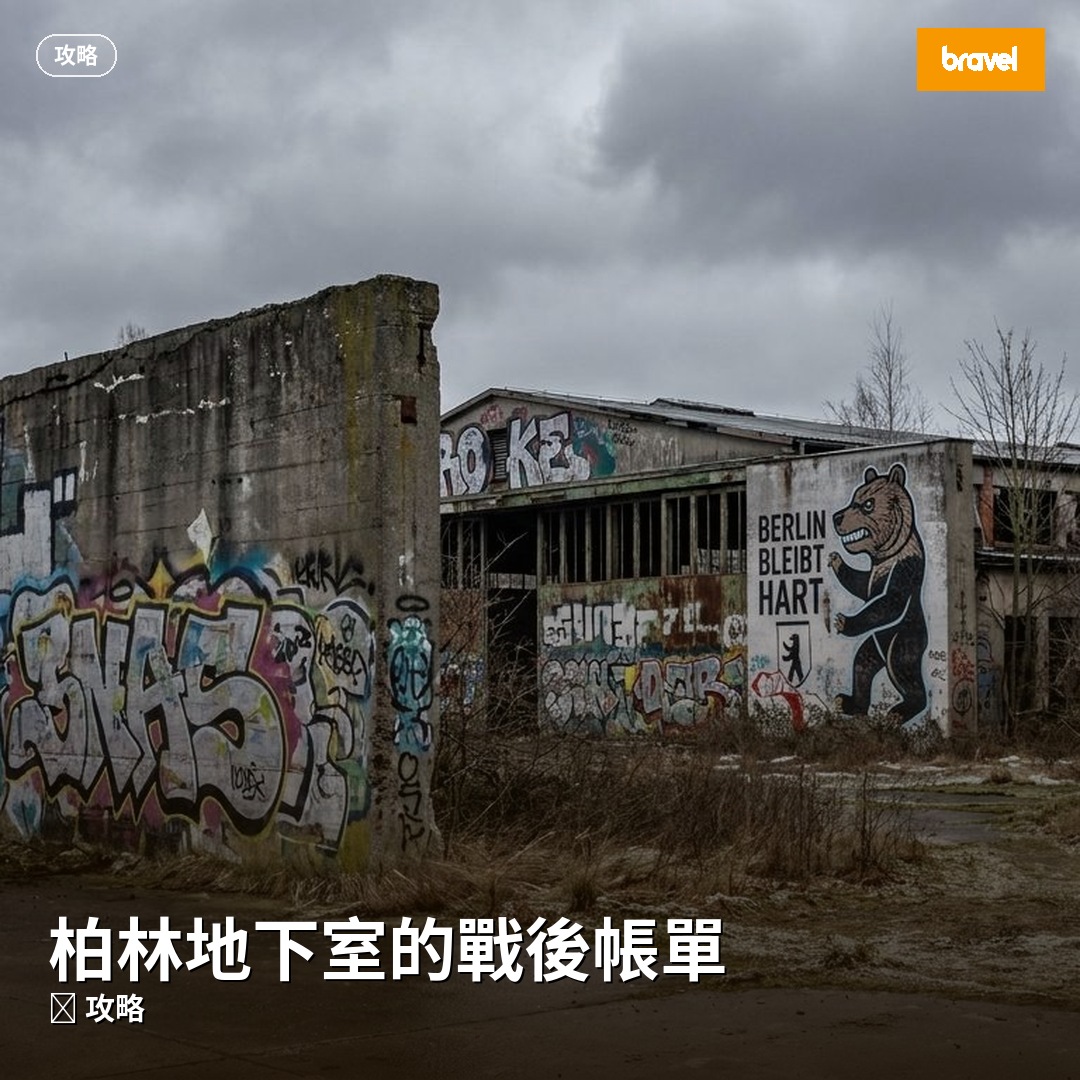

柏林是歐洲少數幾個城市,其歷史創傷不是被博物館馴化收納,而是字面意義上埋在地底下的。柏林不輕易展示它的過去——這座城市不靠觀光包裝推銷自己,它只是讓那些願意俯身彎腰的人,自行發現那些痕跡。A typical budget for Berlin is €80–120 per day, covering a hostel or mid-range hotel, U-Bahn day pass (€9.90), and meals from street-level Imbiss to sit-down dinner in Mitte. The best time to visit Berlin is late April to early June or September to October, when the city escapes both the sweaty festival chaos of summer and the iron-grey fog of January. Berlin is most meaningfully experienced not through its landmarks, but through what was deliberately concealed, destroyed, and rebuilt in the wrong order — a city whose archaeology is still in progress, and whose deepest layers are occasionally still warm.
從香港飛柏林,最直接的路線是經杜拜或法蘭克福中轉,全程約十三至十五小時,抵達 Berlin Brandenburg Airport (BER),即2020年才開幕、延誤了將近十年的那個機場——本身已是柏林式行政荒誕的活教材。BER距市中心約30公里,Airport Express (FEX) 列車每半小時一班,30分鐘直達 Berlin Hauptbahnhof,票價€3.80(約HKD 32)。德語是官方語言,但柏林的英語普及率在歐陸城市中屬於頂尖——不過,在那些真正值得探訪的地方,你偶爾仍會遇到只說德語的解說人員,而那種語言障礙,某種程度上正是這座城市保持距離感的方式之一。
從地面消失的建築:Tempelhof、Anhalter Bahnhof,以及選擇性失憶的城市景觀
要理解柏林的地下歷史,必須先理解這座城市與它自身建築的奇異關係:柏林摧毀建築物的速度,歷來快過它建造的速度。Anhalter Bahnhof 是最能說明這種心理的例子之一。1880年由建築師 Franz Schwechten 設計,曾是歐洲最宏偉的鐵路終站之一,其立面融合了義大利文藝復興風格的拱廊與日耳曼式的石砌厚重——1943年盟軍轟炸後嚴重受損,卻在1952年被西柏林當局以「清除廢墟」為由強行爆破拆除,只留下南側一段殘破的門廊,孤立在 Askanischer Platz 的草地上,像一顆被人遺忘拔除的牙根。那段殘牆現在仍在,沒有特別的照明,沒有博物館式的說明牌,只有一塊簡單的資訊板和幾個遛狗的柏林人路過。
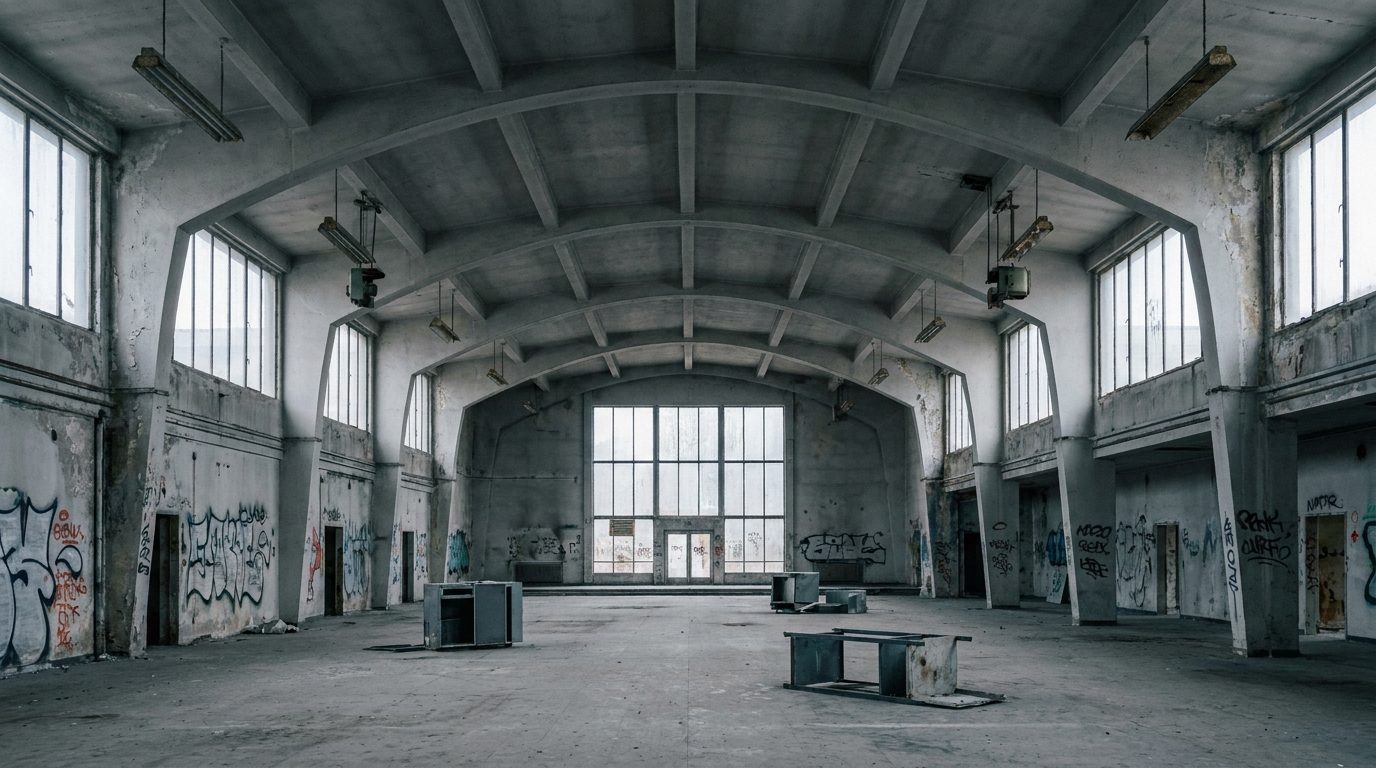
Tempelhof Airport 的命運則更為複雜,也更能體現柏林人對歷史的矛盾態度。機場由 Ernst Sagebiel 設計,1936至1941年間分階段建成,是納粹政權「Germania」都市改造計劃的重要組成部分——Albert Speer 那個要將柏林改造成世界首都的幻覺。Sagebiel 的設計以巨型弧形航廈為核心,屋頂跨度之大足以在室內停放飛機,至今仍是世界上單一建築佔地面積最大的建物之一。1948至1949年的 Berlin Airlift(柏林空運)在此發生,蘇聯封鎖西柏林期間,美英兩國每隔幾分鐘降落一架貨機,機場搖身一變成為冷戰最具象徵性的舞台。機場在2008年正式關閉,2015年起一度成為難民安置中心,如今跑道被改建為市民公園 Tempelhofer Feld,開放給騎單車、放風箏和種菜的柏林人使用。納粹建築、冷戰地標、難民庇護所、社區農圃——這四層身份,同時壓在同一棟建築上,而大多數在草地上騎車的人,對這種重量似乎已泰然處之。
那個「歷史重壓」其實住在地面以下兩層
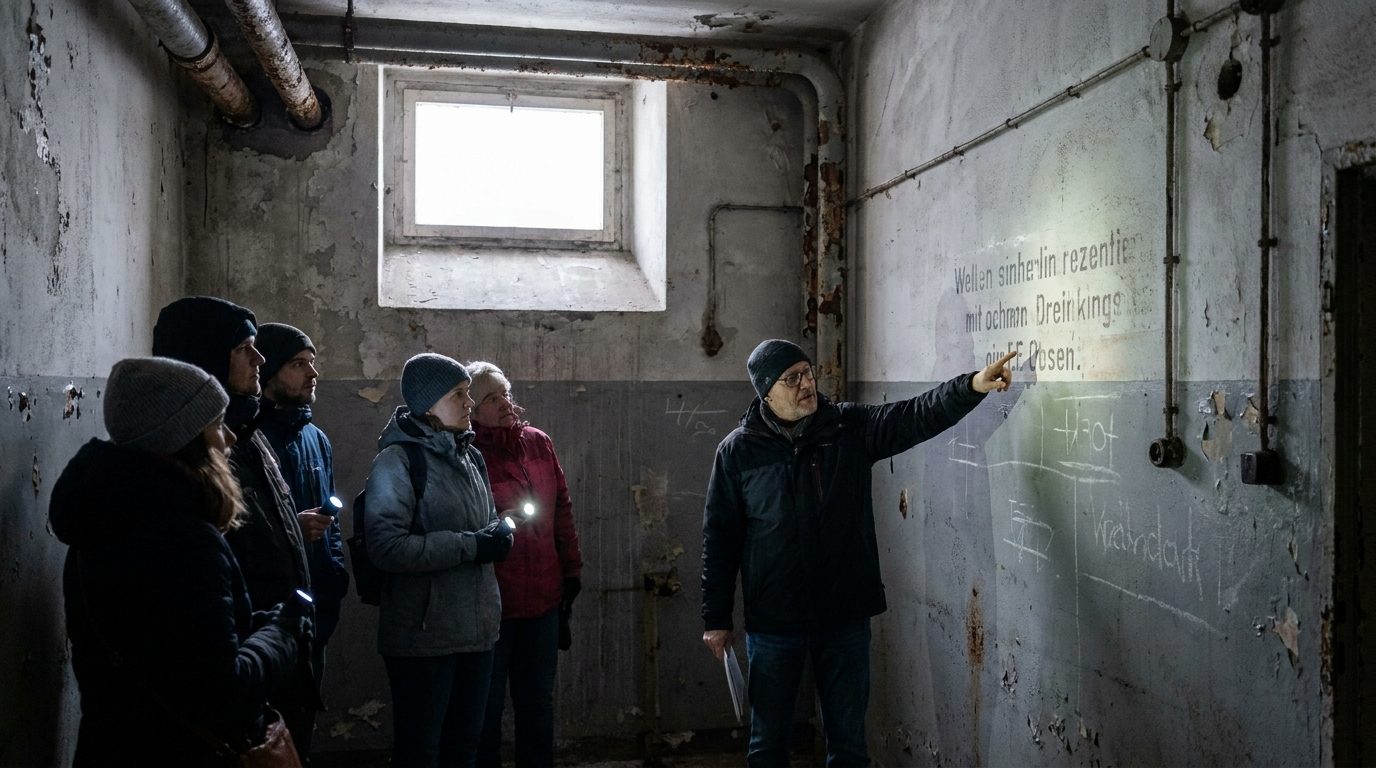
Tempelhof 的地下層至今仍部分封閉,由非牟利組織 Berliner Unterwelten e.V. 定期舉辦導賞團,帶訪客進入戰時防空洞及地下指揮系統。門票約€15(約HKD 127),普通話導賞目前暫停,英語場次須提前數周在官網預約。這是我在柏林最強烈建議事先訂票的行程,不為它是觀光亮點,而是因為導賞員往往是城市考古學方面的獨立學者,他們對細節的掌握遠超任何旅遊書。
Berliner Unterwelten:一個城市如何在地下保存它不想展示的自己
Berliner Unterwelten e.V. 成立於1997年,由一群城市歷史愛好者和地質工程師組成,專門記錄並開放柏林的地下空間——防空洞、廢棄隧道、地鐵工地、二戰時期的地下工廠。他們目前管理的地點分布在全市,最具代表性的導賞路線 Tour 1「Dark Worlds」從 Gesundbrunnen U-Bahn 站出發,深入一座建於1941年的民用防空洞,容量逾3000人,牆上至今仍殘留著戰時分區標記和醫療室隔間的鐵架。
我在某個星期四下午參加了 Tour 3,這條路線較少被旅遊指南提及,主題是納粹時期在地下修建的高射砲塔(Flakturm)支撐結構及其後來如何被蘇聯工兵嘗試爆破、卻因混凝土厚度超過3.5米而失敗告終。導賞員是一位名叫 Marcus 的考古學研究生,他告訴我,柏林現存六座 Flakturm 的地基,其中幾座至今仍無法完全拆除,因為爆破產生的衝擊波會危及周邊住宅樓。換言之,納粹遺留在這座城市的物理痕跡,是被它自身的體量所保護的。這個事實,任何公開的旅遊材料都沒有以如此直白的方式說出來過。
Gesundbrunnen 作為方法論:從工人階級街區讀柏林的地下邏輯
Gesundbrunnen 本身值得多花一個下午。這個位於 Wedding 區的街區在威廉帝國時期(Wilhelmine era, 1871–1918)是工人階級聚居地,二戰期間因工廠集中而成為盟軍轟炸的密集目標,戰後則長期落入西柏林的邊陲地帶。今天的 Gesundbrunnen 仍保留著那種未被仕紳化完全消化的粗礫質感,Badstraße 一帶有土耳其餐廳、越南超市,以及幾家完全不為觀光客存在的廉價咖啡館。午餐可以在 Imren Grill(Badstraße 15,Döner Kebab 約€4.50,約HKD 38)解決,他們的 Adana 烤肉串尤其值得一試,份量之大足以令人懷疑自己的熱量計算能力。
冷戰地下基礎設施:Stasi、隧道與那些從來沒有名字的工程師
冷戰在柏林留下的地下遺產,比任何一本冷戰史書都更具體。1950至1989年間,東西柏林之間的地下地帶是世界上情報活動最密集的空間之一。1955年由美國中央情報局(CIA)和英國軍情六處(MI6)聯合挖掘的 Operation Gold 隧道,從西柏林的 Alt-Glienicke 區延伸至東柏林的 Schönefelder Chaussee 電話電纜接線箱,全長約500米,用於竊聽蘇聯軍事通訊。隧道在1956年被蘇聯方面「發現」(實際上,KGB 線人 George Blake 在計劃初期便已洩露情報,蘇聯選擇按兵不動以保護 Blake 的身份),成為冷戰諜報史上最有名的雙重遊戲之一。今天,隧道本身已被填埋,但原址附近的 Allied Museum(Alliierten Museum, Clayallee 135, Zehlendorf,免費入場)展有隧道的詳細工程圖紙及實物截面復原模型。
更少人知道的是東德 Stasi(國家安全部)在柏林市內建立的地下指揮與逃生系統。Stasi 總部位於 Lichtenberg 區的 Normannenstraße,1950年成立,至1989年解體前僱用了約91,000名正式員工及逾17萬名線人。總部地下至今仍有部分空間未向公眾開放,Stasi Museum(Normannenstraße 22, Lichtenberg)的地面展覽已足夠令人不安——Erich Mielke 的辦公室原封未動,連他桌上那部 Bakelite 電話的擺放角度都沒有被改動。門票€8(約HKD 68),每天11:00–18:00開放,週末有英語導賞,需在現場登記。
記憶政治學:柏林的地下紀念碑為何比地面的更誠實
柏林在戰後紀念文化這件事上,花費了比任何其他德國城市都更多的精力和爭議。Peter Eisenman 設計的 Holocaust Memorial(正式名稱:Memorial to the Murdered Jews of Europe),2005年在 Brandenburger Tor 旁揭幕,由2711根不同高度的混凝土柱陣列構成,地面刻意設計成微微傾斜起伏的不規則地形,令訪客在行走之間逐漸失去方位感——這是 Eisenman 刻意植入的空間體驗,用以模擬那種系統性壓迫下的迷失感。然而整個紀念碑中最重要的部分,恰恰在地下:地下的 Place of Information(資訊中心),以具名方式記錄了逾300萬名遇難者的生平,每一個名字背後都有一個家庭的消亡。免費入場,地面部分全天開放;地下資訊中心週二至週日10:00–20:00,可參考 官方網站預先規劃。
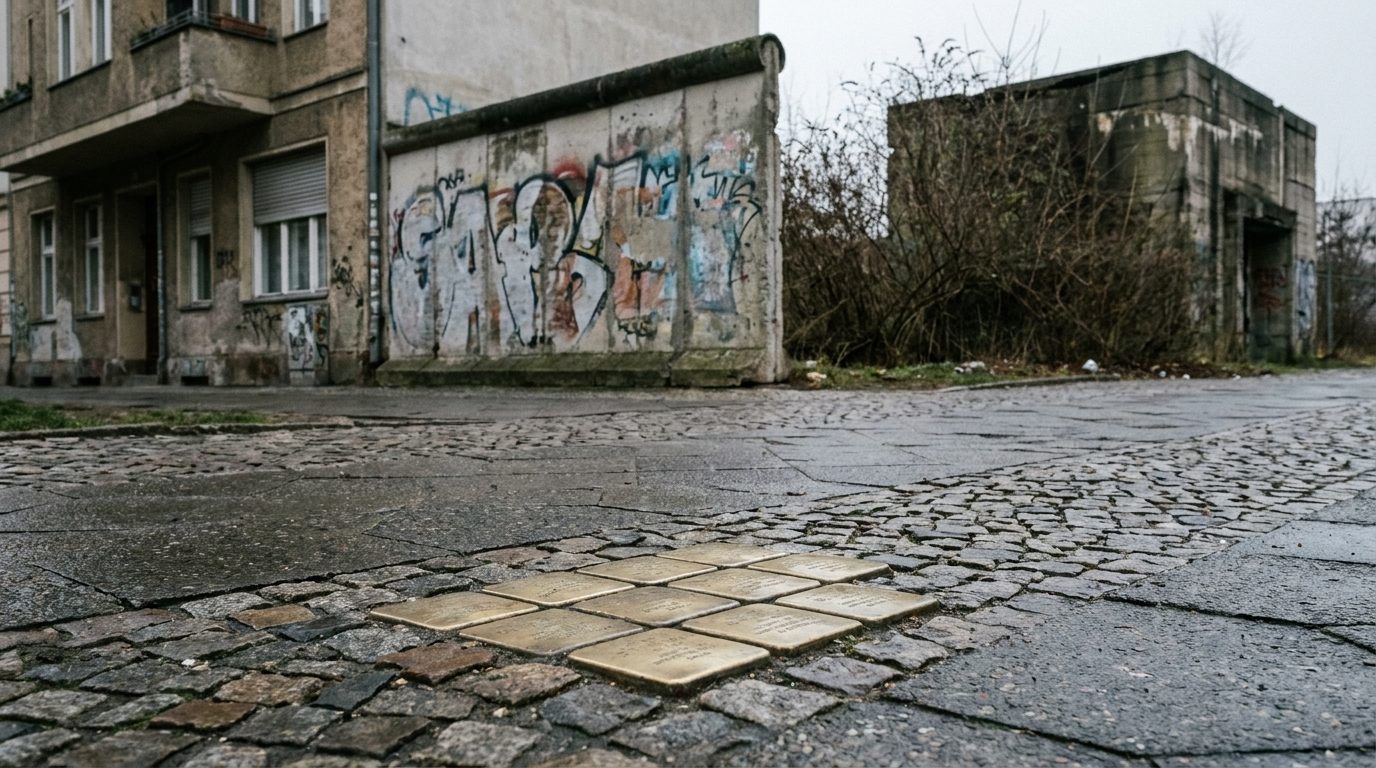
與此形成對比的,是那些散落在整個柏林街道上、每塊約10厘米見方的銅製路面銘牌:Stolpersteine(「絆腳石」)。這是科隆藝術家 Gunter Demnig 自1992年發起的去中心化紀念項目,將每一塊銘牌嵌入被驅逐或殺害的猶太人、羅姆人、政治異見者最後自願居住的房屋門口地面,銘牌上刻有姓名、生卒年份和命運。截至2023年,柏林市內約有8000塊 Stolpersteine,是全歐洲密度最高的城市,而整個項目在歐洲各地合計已超過10萬塊。它們不在博物館,不在廣場,它們在腳下——你必須低頭,才能讀到它們。這種設計邏輯,從未被任何公開的藝評文章說得比它本身更清楚。
在地下歷史的重量之後:幾個值得認真對待的飲食地址
在整整一天的地下穿梭之後,一個城市的飲食文化往往顯得異常珍貴。柏林的餐飲版圖,在過去十五年間發生了根本性的轉變——這座城市不再只是 Currywurst 和廉價啤酒的代名詞,儘管 Currywurst 在 Konnopkes Imbiss(Schönhauser Allee 44a,東柏林 Prenzlauer Berg,1930年創立)仍然值得排隊等候,一份約€3.50(約HKD 30)。
若要在地下導賞之後以某種具有說服力的方式坐下來吃晚飯,Nobelhart & Schmutzig(Friedrichstraße 218, Mitte,2015年由主廚 Billy Wagner 開業)是我目前在柏林最認真對待的一間。它不是 Fine Dining 劇場,而是一種幾乎具有政治立場的「激進地方主義」——菜單上所有食材均來自柏林及Brandenburg周邊150公里以內,沒有橄欖油,沒有檸檬,沒有任何在這個緯度和氣候下不自然生長的東西。十二道菜套餐約€115(約HKD 976),酒配餐另計。需提前數周在官網訂座。Michelin 一星,但這家餐廳對星級的興趣,似乎遠不及它對食材來源地圖的興趣。
另一個極端:Zur Letzten Instanz(Waisenstraße 14-16, Mitte),據稱是柏林現存最古老的餐廳,1621年開業,拿破崙曾在此飲酒(此說法有史料爭議,但餐廳方面不打算澄清)。Eisbein(德式醃豬腳)約€22(約HKD 187),配 Berliner Weiße 小麥酸啤,是某種粗礪的歷史誠實性——這道菜在過去兩個世紀沒有發生任何變化,也不需要。
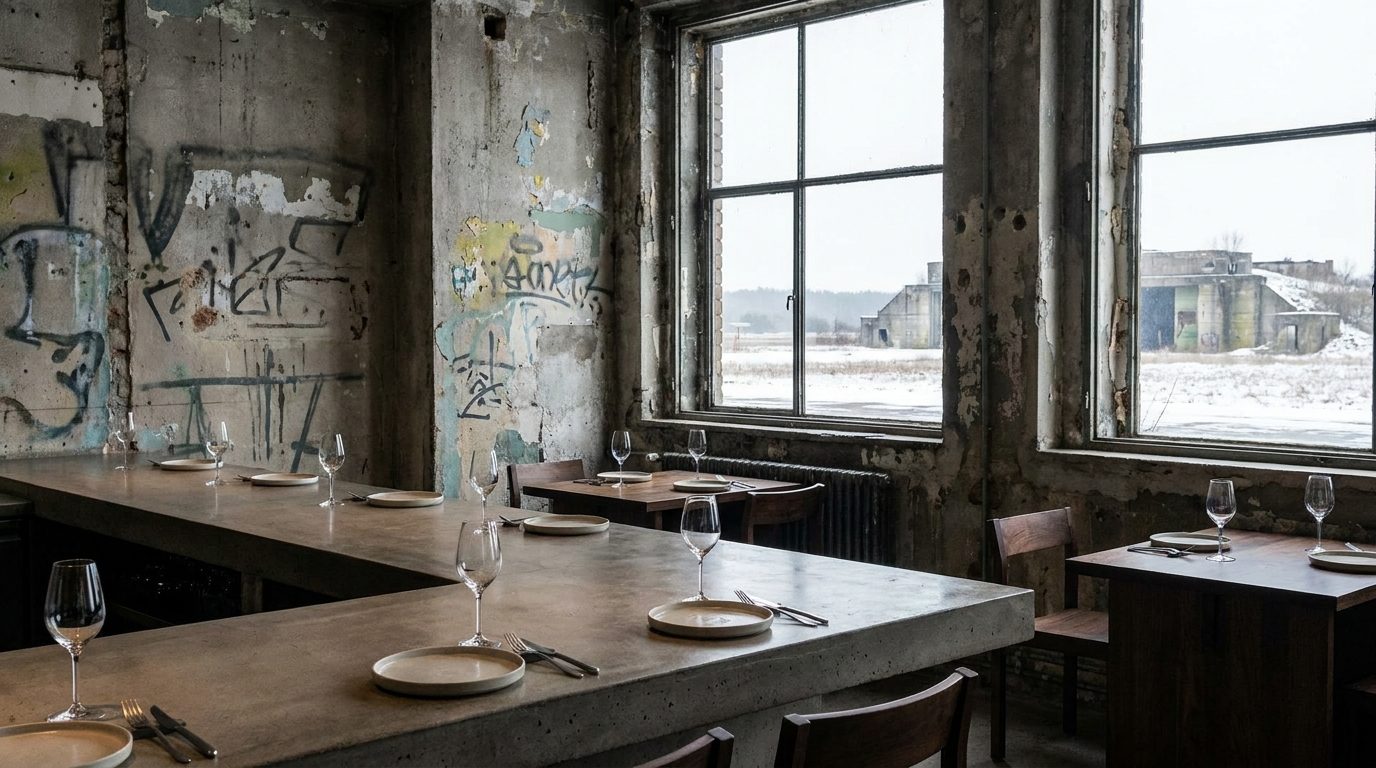
住宿方面,若預算允許,Hotel Amano Grand Central(Heidestraße 62, Mitte,約€150–220/晚,HKD 1275–1870)位於 Hauptbahnhof 步行距離內,設計語言走的是北歐工業簡約路線,與周邊的 Europa City 開發區形成一種刻意的張力。若是預算型旅行者,Pfefferbett Hostel(Christinenstraße 18-19, Prenzlauer Berg,約€35–55/晚,HKD 298–467)在老東柏林街區,步行可達 Mauerpark 週日跳蚤市集,是觀察柏林年輕世代最高效的方式之一。
最後一點,完全屬於個人觀察:柏林的地下歷史之所以比它的地面歷史更誠實,是因為地下空間從來沒有接受過城市品牌的改造。它們只是在那裡,以物理狀態存在,等待那些願意彎腰走進去的人。這座城市的道德誠信,埋在海拔零米以下。
常見問題 Frequently Asked Questions
How much does it cost to visit Berlin's underground historical sites?
Most underground sites in Berlin are surprisingly affordable. The Berliner Unterwelten guided tours cost €15–18 per person (approximately HKD 127–153), with tours departing from Gesundbrunnen U-Bahn station. The Stasi Museum in Lichtenberg charges €8 (HKD 68). The Holocaust Memorial and its underground information centre are free. Total budget for a dedicated underground history day, including transport and a mid-range dinner, is around €60–80 (HKD 510–680).
What is the best time to visit Berlin for historical and cultural travel?
The best time to visit Berlin is late April to early June or September to early October. Summer (July–August) brings festival crowds and inflated hotel prices. January and February are the coldest months but see the fewest tourists — underground sites are uncrowded and the city's architectural weight feels more appropriately raw. Berliner Unterwelten tours run year-round, though some seasonal routes operate only from March to November.
Is Berlin safe for solo travel?
Berlin is generally considered very safe for solo travellers. The U-Bahn and S-Bahn networks are well-maintained and run 24 hours on weekends. Neighbourhood-level caution applies around certain late-night transit hubs such as Kottbusser Tor, but the areas relevant to underground historical travel — Mitte, Lichtenberg, Wedding, Zehlendorf — are unremarkable from a safety standpoint. Petty theft on public transport is the most commonly reported concern.
Why is Tempelhof Airport architecturally significant?
Tempelhof Airport, designed by Ernst Sagebiel and largely completed between 1936 and 1941, is one of the largest buildings in the world by footprint and represents the surviving built embodiment of the Nazi Germania urban redevelopment programme. Its curved terminal roof spans wide enough to shelter aircraft underneath. The building simultaneously served as a Cold War airlift hub (1948–49), a refugee reception centre (2015–2019), and is now surrounded by a public park. No single building in Berlin compresses more political history into its concrete than Tempelhof. See the full architectural history via Wikipedia.
How do I book Berliner Unterwelten tours, and do they offer English-language tours?
Berliner Unterwelten tours should be booked in advance via their official website at berliner-unterwelten.de. English-language tours run regularly for Tour 1 (Dark Worlds) and Tour 3. Tours depart from Gesundbrunnen U-Bahn station, reachable on U8 and S-Bahn lines S1, S2, S25, S26. Prices are €15–18. Weekend tours book up two to three weeks in advance, especially during spring and autumn.
What are the Stolpersteine and where can I find them in Berlin?
Stolpersteine (literally "stumbling stones") are 10cm square brass memorial plaques embedded in the pavement in front of the last voluntarily chosen residence of victims of Nazi persecution — primarily Jewish people, but also Roma, political prisoners, and others. The project was initiated by Cologne artist Gunter Demnig in 1992. Berlin has approximately 8,000 Stolpersteine, the highest density of any European city. Clusters are dense in Prenzlauer Berg, Schöneberg, and Mitte. There is no single map that captures all of them; the official Stolpersteine project website provides searchable documentation by name and district.
相關城市探索 Related Destinations:
如果你對歐洲城市的歷史建築與戰後記憶文化感興趣,可延伸閱讀:華沙:重建城市的辯證學、維也納:帝國遺產的消化方式、布拉格地下中世紀:地窖比教科書更誠實、布達佩斯:兩座城市的建築人格分裂,以及 德累斯頓:一座城市如何記憶它自己的轟炸。